


The Lex Aspect Podcast: Veterans Face Inadequate Treatment for Mental Health
- Lex

- May 12, 2019
- 2 min read
Updated: May 15, 2019
While training and serving her country in the United States Air Force, Haley Clover did not receive the training for what she could expect when she returned to a normal world.
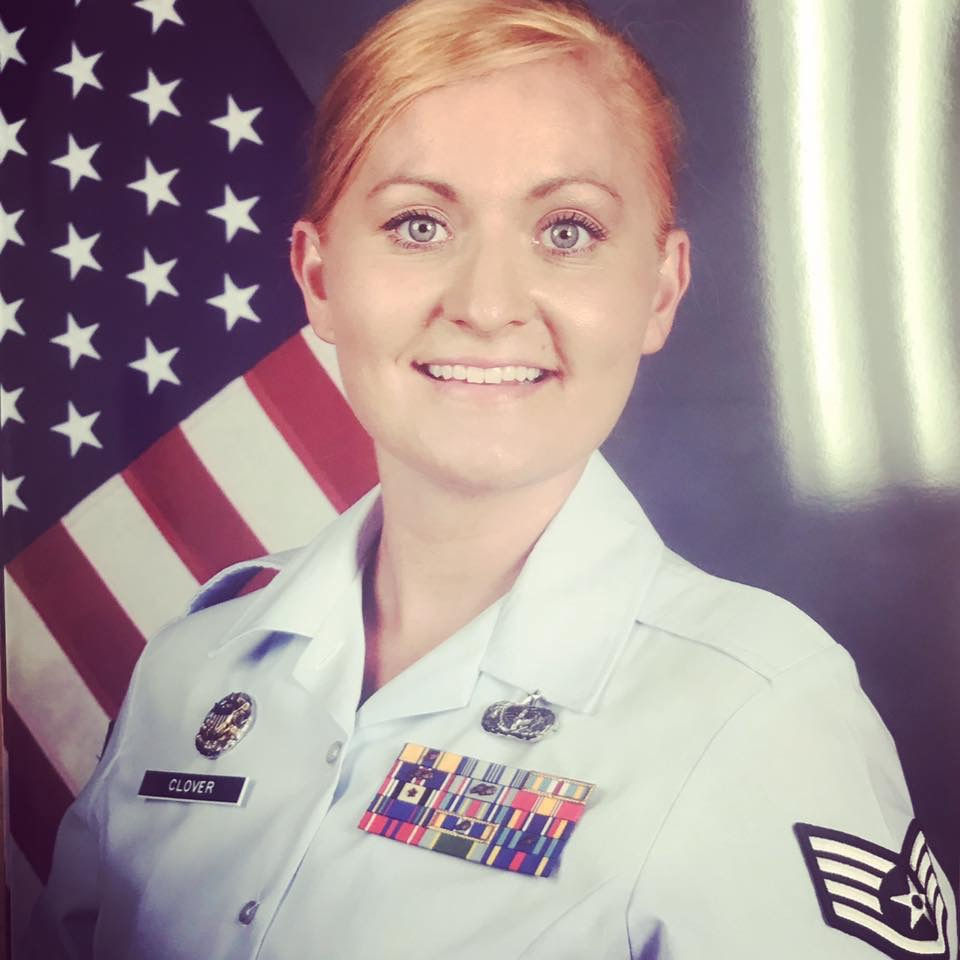
Her service included multiple deployments, but Clover did not recognize the signs of Post-Traumatic Stress Disorder (PTSD) until it was nearly too late. In 2013, the Department of Defense (DoD) medical professionals formally diagnosed Clover with PTSD, according to her medical records. Clover was not informed of this diagnosis, nor was she treated at this time. Three years later, Clover brought her newborn daughter into the world.

The birth introduced postpartum depression for Clover shortly after. This, in conjunction with PTSD, led to her attempt of committing suicide in 2016. It wasn’t until then that Clover began receiving care from the DoD.
“It was so overwhelming. The pain of it and the anguish of it; I just wanted out.”
Since Clover didn’t receive the notice of her diagnose in 2013, she was unaware of the signs and battles she was having with herself in her head. She became overwhelmed to the point that she wanted to end her life. The DoD left her on her own for three years before beginning treatment.
In 2016, Clover was instructed to take Minnesota Multiphasic Personality Inventory (MMPI) to identify any possible mental health conditions she may have had. The initial test showed Clover suffered from PTSD, Depressive Disorder, and Anxiety Disorder. Her current doctor ordered a second test, which confirmed the results.
Clover continued to struggle with her diagnosis when she retired from the military and transferred to the Veterans Affairs (VA) in 2017.
“It was completely starting over.”

Clover was medically retired on October 31st, 2017 and continues to struggle with getting the medication she previously took while in the military. The VA has put Clover in charge of her own treatment and required her to go through her own records to prove the medications and treatment in her past.
Many veterans face similar issues in their care at the VA. In Georgia, alone, two veterans committed suicide in VA parking lots. From 2017-2018, there were 19 veteran suicides that took place on VA property.
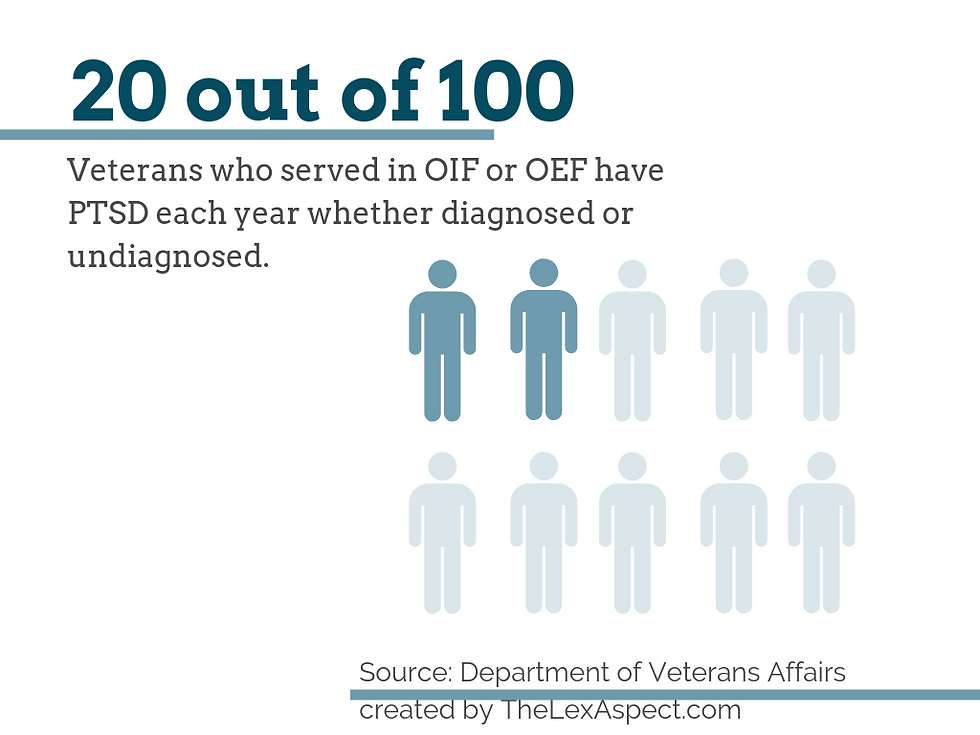
According to the Veterans Affairs, around 20% of veterans that served in support of Operation Iraqi Freedom and Operation Enduring Freedom are diagnosed with PTSD in a given year. Military.com reports that military suicides are at an all time high in the year 2018. Something more needs to be done to prevent these deaths.
Tags:


Comments